Satara filming location in Maharashtra
🎬 Tumbbad

Satara

Maharashtra

Where Cinema Comes to Life

🎭 About This Location

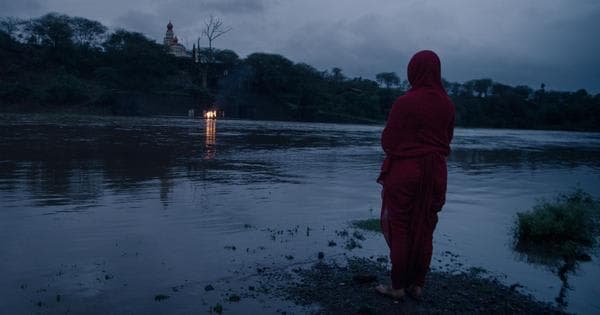
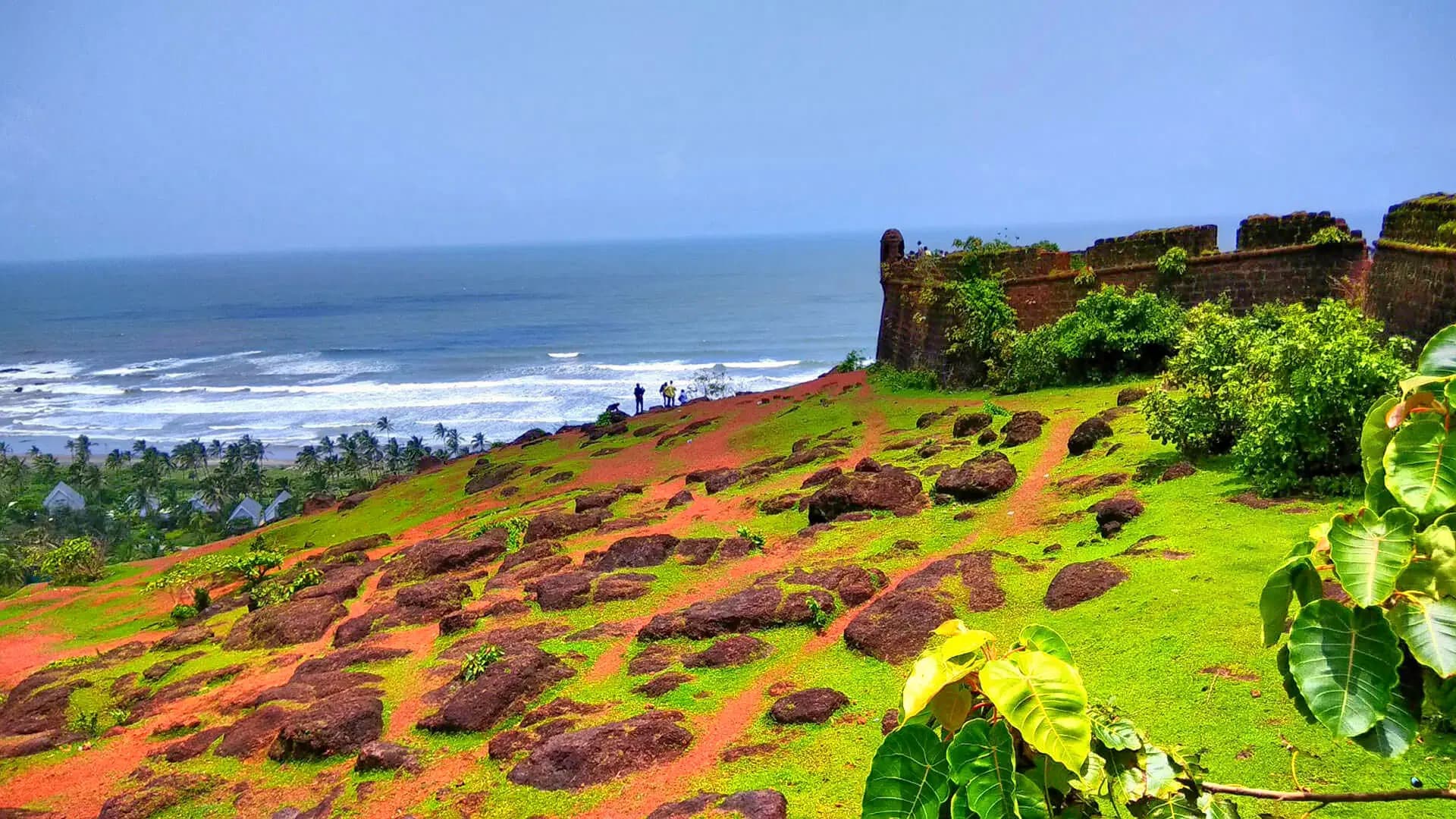
When director Rahi Anil Barve needed a landscape that felt cursed, ancient, and perpetually drenched in rain to shoot the critically acclaimed horror-fantasy Tumbbad, he bypassed artificial studio rain machines and brought his crew directly to the monsoon-battered hills of Satara. While the film's narrative centers on a fictionalized version of a Konkan village, the majority of its stunning, gloomy outdoor sequences were physically shot in and around the remote, historic rural pockets of the Satara district. To authentically capture the movie's terrifying, atmospheric dread, the production famously shot only during actual monsoons across multiple years. Walking through the rural outskirts of Satara today—especially near the historic Sajjangad Fort or the ancient stone temples scattered across the ghats—you are immediately immersed in the film's eerie aesthetic. The steep, moss-covered stone steps, the heavy overcast skies, and the relentless sound of the wind whipping through the wet green valleys perfectly mirror the grim world of Hastar and the greed of the Rao family. You can physically retrace this cinematic aesthetic by driving along the winding, narrow roads leading up to Thoseghar or exploring the weathered Maratha-era wadas (traditional courtyards) in the older sections of the district. Visiting Satara during the rains is not a standard luxury vacation; it is a raw, sensory trek through thick mud, relentless downpours, and profound historical isolation. It’s exactly this unpolished, muddy friction that makes the region feel so intensely cinematic, giving fans of the cult classic a genuine, spine-chilling connection to one of Indian cinema's greatest visual achievements.

🎥 Behind the Scenes Gallery

Travel Tips

  • •Embrace the Mud and Rain: If you visit during the monsoon to get the true Tumbbad feel, you will get wet and muddy, Pack heavy-duty ponchos, waterproof dry bags for your electronics, and high-grip trekking shoes, Umbrellas are largely useless against the heavy crosswinds on the open plateaus
  • •Beware of the Leeches: The tall grass and forest trails around Thoseghar and Kaas during the monsoon are swarming with leeches, Wear full-length trousers tucked tightly into thick socks, and carry a small pouch of salt to safely detach them from your skin
  • •Hire an Experienced Local Driver: The rural mountain roads in Satara become highly unpredictable during torrential rains, prone to sudden rockfalls and zero-visibility fog, Do not rely on self-driving if you are unfamiliar with the Western Ghats, hire a local driver who knows the terrain
  • •Stand Above Thoseghar Waterfalls: To truly appreciate the dramatic scale of the rain shown in the movie, take a short drive to the Thoseghar waterfalls, During peak monsoon, the roaring, multi-tiered cascades plunge into a deep gorge, offering spectacular, moody photography opportunities that look straight out of the film's climax
  • •Carry Hard Cash for Rural Areas: As you venture into the smaller villages and hillside dhabas outside the main Satara city limits, mobile network coverage drops significantly, rendering UPI completely useless, Carry enough cash in smaller denominations to pay for tea, snacks, and local parking fees

FAQs

Which movie/series was shot at Satara?⌄

Tumbbad was filmed at Satara in Maharashtra.

Where is Satara located?⌄

Satara is located in Maharashtra, India.

Is Satara worth visiting?⌄

Satara is worth visiting for both movie lovers and travelers due to its scenic beauty and cinematic importance.

What is the best time to visit Satara?⌄

To experience the oppressive, perpetually rain-soaked atmosphere of Tumbbad, you must visit Satara during the peak monsoon season from July to early September. The Western Ghats are battered by torrential downpours during this window, turning the red laterite soil into thick mud and blanketing the hill forts in heavy, cinematic fog. This is the exact weather the crew waited months to capture. However, be prepared for high friction: leeches infest the grass, rural roads become slippery and occasionally impassable, and visibility at high-altitude spots like Sajjangad or the Kaas Plateau frequently drops to zero. If you want to explore the forts and historic Maratha architecture without the relentless rain, the winter months from November to February offer crisp air and clear skies, though you will completely lose that signature Tumbbad gloom. Avoid the dry summer heat (March to May) altogether, as the cinematic lushness turns barren and brown.

🎬 AI Trip Planner

Plan Your Trip to Satara

Step into the real-world location of Tumbbad. Let our AI craft a personalized travel itinerary with best routes, must-visit spots, stays and hidden cinematic moments.

Personalized • Free to start

*Affiliate links – we may earn a small commission at no extra cost to you.

Location on Map

Loading map...

🎬 Explore More in Maharashtra

Other Movies/Series Shot Nearby

Discover more filming spots in Maharashtra and jump directly to each location guide.

Mumbai City filming location in Maharashtra
🎬 Tenet
Maharashtra

Mumbai City

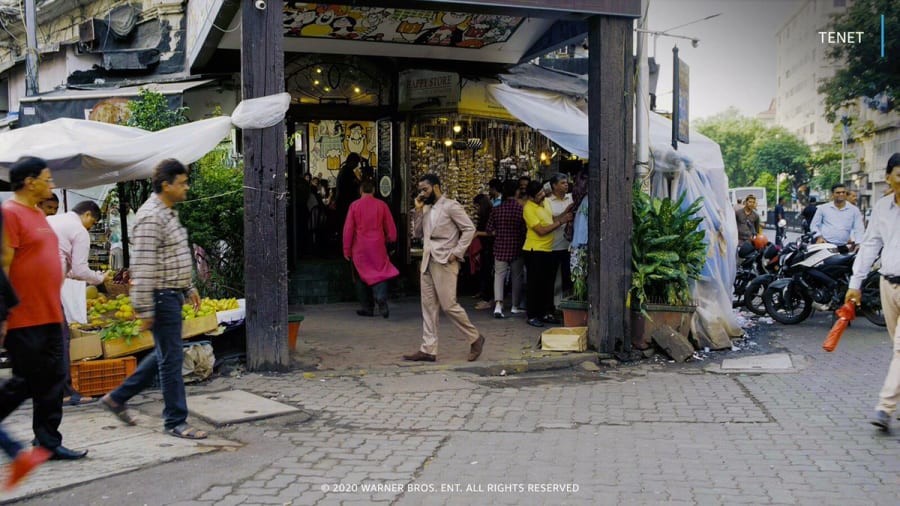
When global filmmakers want to capture the overwhelming, high-stakes energy of India, they point their cameras straight at the Gothic architecture and chaotic streets of South Bombay. For Christopher Nolan’s espionage thriller Tenet, the Gateway of India and the exclusive Royal Bombay Yacht Club served as the perfect, high-security backdrop for the Protagonist's extraction sequences. Earlier, Danny Boyle immortalized the awe-inspiring scale of the city in Slumdog Millionaire, capping off the Academy Award-winning film with the iconic "Jai Ho" dance sequence right on the platforms of the historic Chhatrapati Shivaji Maharaj Terminus (CSMT). To physically step into these frames, start your morning at the Gateway of India just after sunrise (around 6:30 AM). Before the massive tourist crowds and aggressive photographers arrive, you can look out over the Arabian Sea and spot the exact pier where Tenet’s speedboats docked. Just across the street is the iconic Taj Mahal Palace Hotel and the winding lanes of Colaba Causeway, offering a gritty, kinetic energy that looks incredible on camera. Later, take a short cab ride to CSMT. You do not need to be a commuter to appreciate this UNESCO World Heritage site; walking into the main concourse under the towering vaulted ceilings and stained glass windows feels like stepping into a cathedral rather than a transit hub. The sheer volume of humanity rushing past you to catch the local trains perfectly encapsulates the relentless, unapologetic pulse of Mumbai. You aren't just visiting a movie set—you are standing in the living, breathing heart of India's financial and cinematic capital.
Explore Location
Menavali Ghat & Wai filming location in Maharashtra
🎬 Swades
Maharashtra

Menavali Ghat & Wai

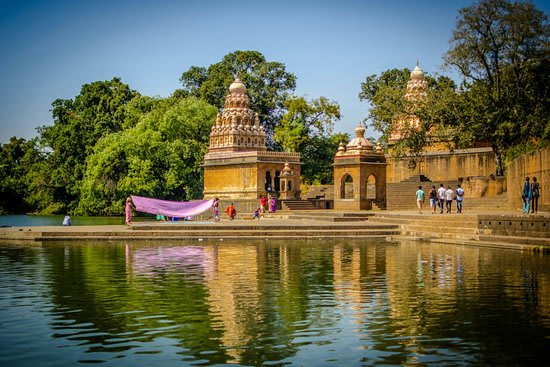
Stepping onto the historic stone steps of Menavali Ghat is like walking straight into the soul-stirring heart of Swades. Located in the quaint temple town of Wai along the banks of the Krishna River, this serene Maharashtrian village setting provided the authentic, grounded backdrop for Mohan Bhargava's transformative journey. It was here, surrounded by the lush Sahyadri mountains and centuries-old architecture, that an NRI scientist reconnected with his roots. The massive 18th-century Nana Phadnavis Wada, which stands majestically right against the ghats, perfectly captures the timeless rural aesthetic that director Ashutosh Gowariker sought for the fictional village of Charanpur. Sitting on the very steps where Shah Rukh Khan's character spent his evenings in quiet reflection, you can still feel the palpable peace that permeates the screen. The stone temples dedicated to Lord Shiva and Lord Vishnu, flanked by the gently flowing river, remain entirely unchanged from the days of filming. You can easily visualize the vibrant open-air film screening sequence under the stars, or the poignant moments of village life unfolding around the ancient, shaded courtyards. The massive Portuguese bell hanging outside the Shiva temple—a real-world artifact captured in several frames—stands as a silent witness to both regional history and cinematic magic. Beyond the ghats, the surrounding rural landscapes of Satara district invite you to trace the scenic caravan routes that brought Mohan's modern world into the heart of traditional India. A short drive to the nearby Dhom Dam reveals the sweeping, expansive waters and dramatic hill backdrops that featured in the movie's wide transitional shots. By visiting Menavali Ghat, you aren't just ticking off a movie location; you are stepping into a profound cinematic tribute to rural India, experiencing the exact quiet rhythm of life that ultimately brought a wayward son back home.

Explore Location

🎬 More Cinematic Locations in India

Chapora Fort filming location
🎬 Dil Chahta hai

Chapora Fort

Goa

Before 2001, Chapora Fort was mostly known as a crumbling 17th-century Portuguese ruin overlooking t...

Explore Location
Butterfly Beach filming location
🎬 Go Goa Gone

Butterfly Beach

Goa

Tucked inside a steep amphitheater of forested headlands just north of Palolem, Butterfly Beach feel...

Explore Location
Pangong Lake filming location
🎬 3 Idiots

Pangong Lake

Ladakh

Few film climaxes in modern Indian cinema have reshaped an entire region’s tourism map quite like th...

Explore Location
Munnar Tea Gardens filming location
🎬 Chennai Express

Munnar Tea Gardens

Kerala

When Rohit Shetty needed a sweeping, romantic backdrop for the songs "Titli" and "Kashmir Main Tu Ka...

Explore Location
Hadimba Temple filming location
🎬 Yeh Jawaani Hai Deewani

Hadimba Temple

Himachal Pradesh

When director Ayan Mukerji mapped out the transformative Manali trip for Yeh Jawaani Hai Deewani, he...

Explore Location
Amer Fort filming location
🎬 Bajirao Mastani

Amer Fort

Rajasthan

When filmmakers need to visually establish the overwhelming scale, wealth, and power of India's roya...

Explore Location