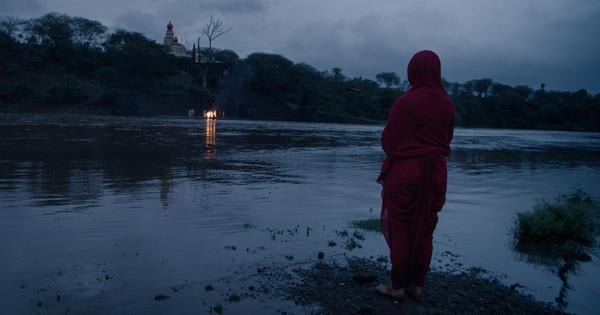
Satara
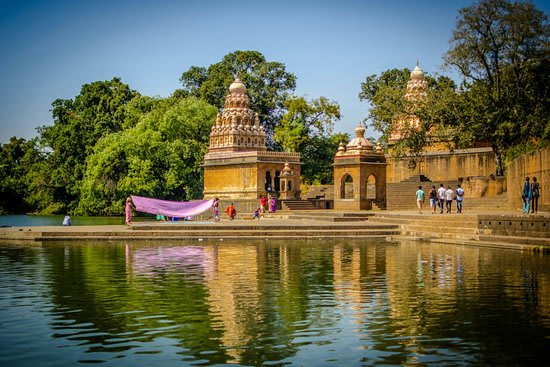
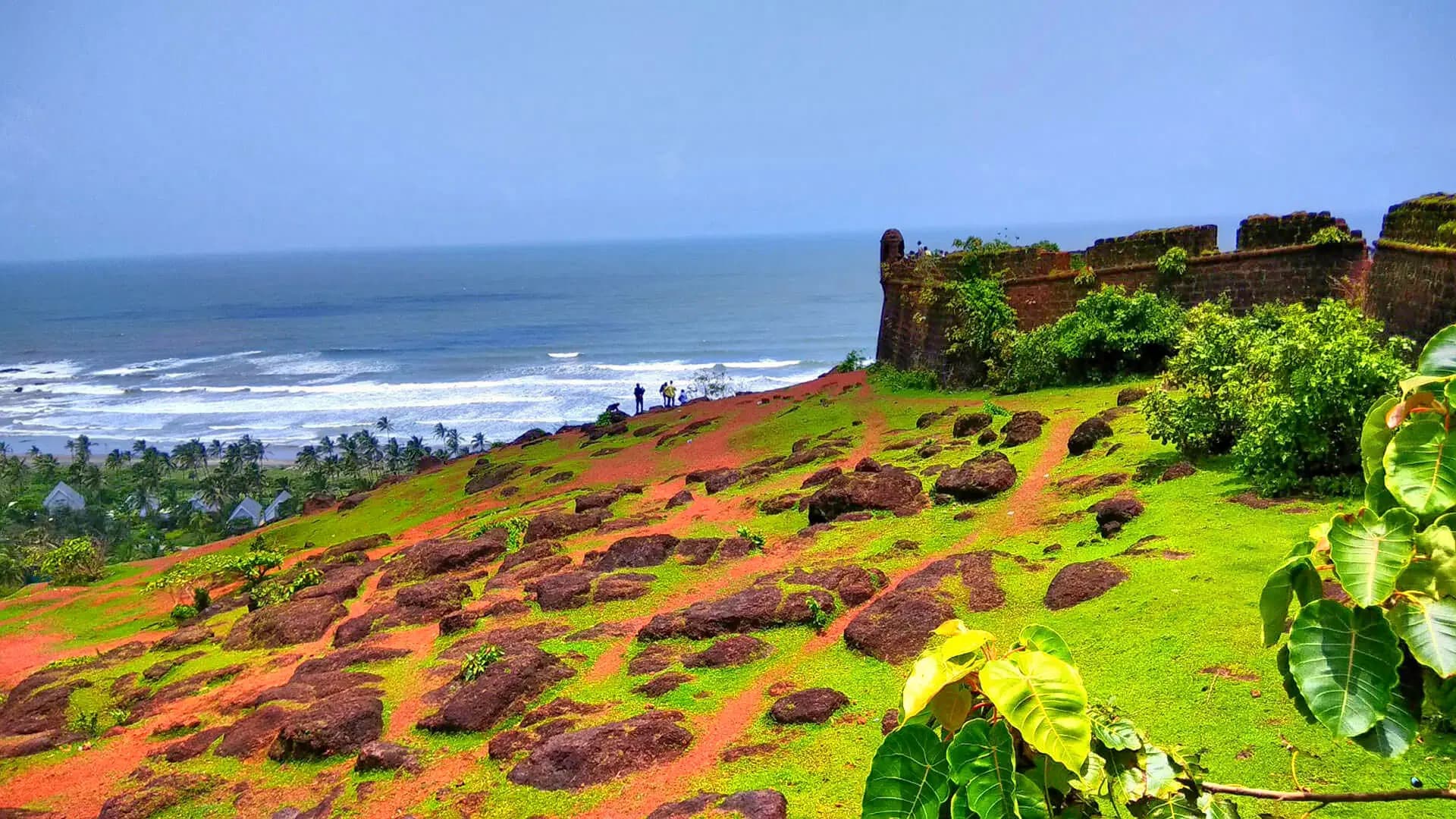
When director Rahi Anil Barve needed a landscape that felt cursed, ancient, and perpetually drenched in rain to shoot the critically acclaimed horror-fantasy Tumbbad, he bypassed artificial studio rain machines and brought his crew directly to the monsoon-battered hills of Satara. While the film's narrative centers on a fictionalized version of a Konkan village, the majority of its stunning, gloomy outdoor sequences were physically shot in and around the remote, historic rural pockets of the Satara district. To authentically capture the movie's terrifying, atmospheric dread, the production famously shot only during actual monsoons across multiple years. Walking through the rural outskirts of Satara today—especially near the historic Sajjangad Fort or the ancient stone temples scattered across the ghats—you are immediately immersed in the film's eerie aesthetic. The steep, moss-covered stone steps, the heavy overcast skies, and the relentless sound of the wind whipping through the wet green valleys perfectly mirror the grim world of Hastar and the greed of the Rao family. You can physically retrace this cinematic aesthetic by driving along the winding, narrow roads leading up to Thoseghar or exploring the weathered Maratha-era wadas (traditional courtyards) in the older sections of the district. Visiting Satara during the rains is not a standard luxury vacation; it is a raw, sensory trek through thick mud, relentless downpours, and profound historical isolation. It’s exactly this unpolished, muddy friction that makes the region feel so intensely cinematic, giving fans of the cult classic a genuine, spine-chilling connection to one of Indian cinema's greatest visual achievements.