YOUR LIFE IS A
MOVIE SET
Don't just watch the story—step inside it. Explore the real-world locations behind India's greatest cinematic masterpieces.
🎭 ICONIC MOVIE/SERIES LOCATIONS
Experience the magic of cinema in real life
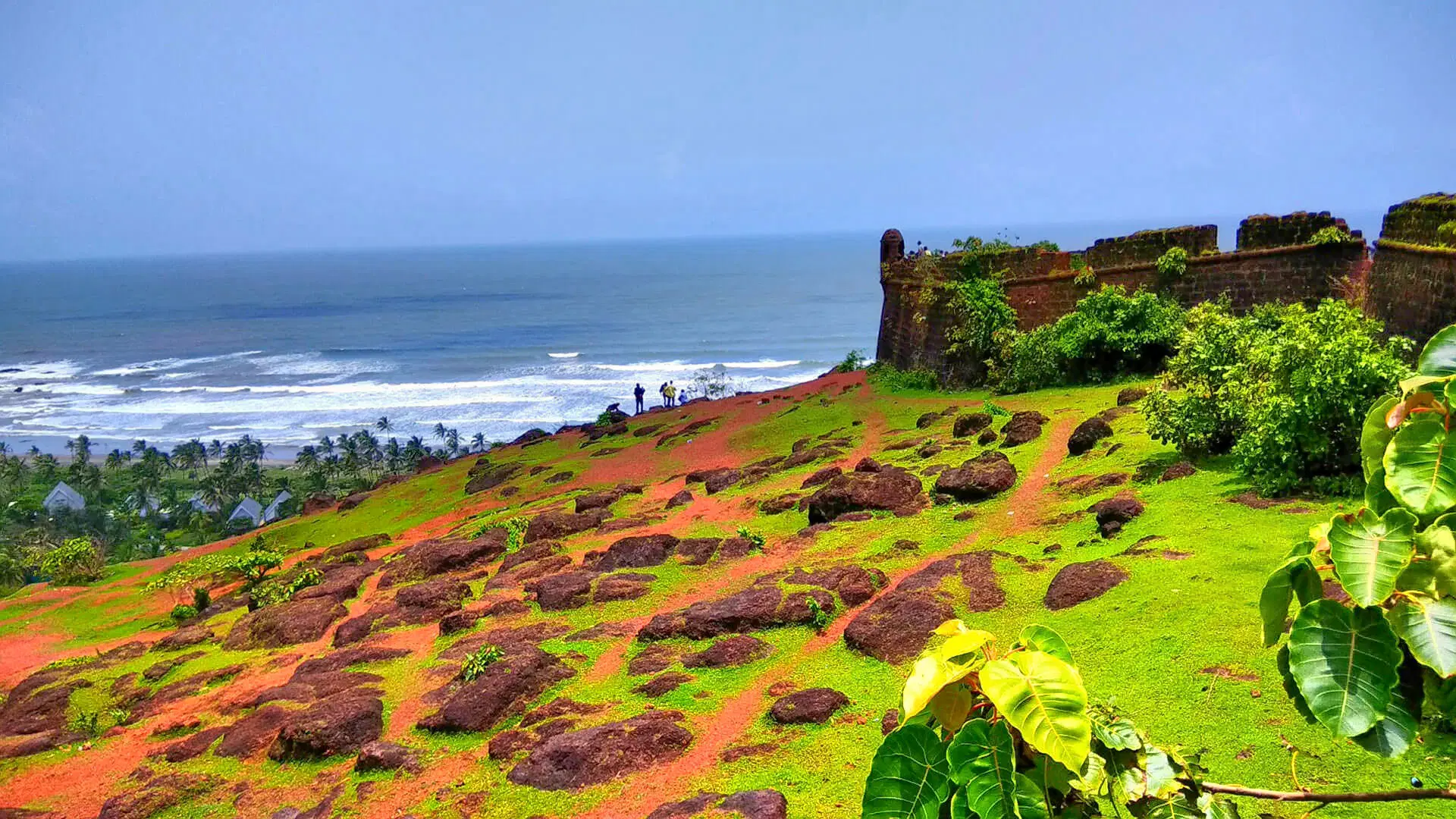
Chapora Fort
Before 2001, Chapora Fort was mostly known as a crumbling 17th-century Portuguese ruin overlooking the Chapora River. But when director Farhan Akhtar perched Aamir Khan, Saif Ali Khan, and Akshaye Khanna on its weathered laterite walls for the coming-of-age classic Dil Chahta Hai, this spot instantly became the definitive symbol of Goan road trips. Today, it is so deeply ingrained in Indian pop culture that locals and travelers universally refer to it as the "Dil Chahta Hai Fort". The fort's geography perfectly matches the film's theme of transitions; standing on the western ramparts, you look down at the bustling crescent of Vagator Beach, while the northern edge offers a peaceful view of the Chapora River silently emptying into the Arabian Sea. To reach the exact spot where Akash, Sameer, and Sid sat contemplating their futures, you have to hike up a steep, dusty path of red earth from the parking lot. Once inside the ruined walls, head straight toward the southwestern corner facing the sea. There are no intact buildings or grand Portuguese archways left inside—just wild grass, scattered stones, and an uninterrupted horizon. The low, broad stone parapets allow you to sit right on the edge of the cliff. It is exactly this raw, unpolished emptiness that made it the perfect cinematic canvas for a quiet, introspective moment between friends, proving that you do not need a pristine monument to create an unforgettable travel memory.
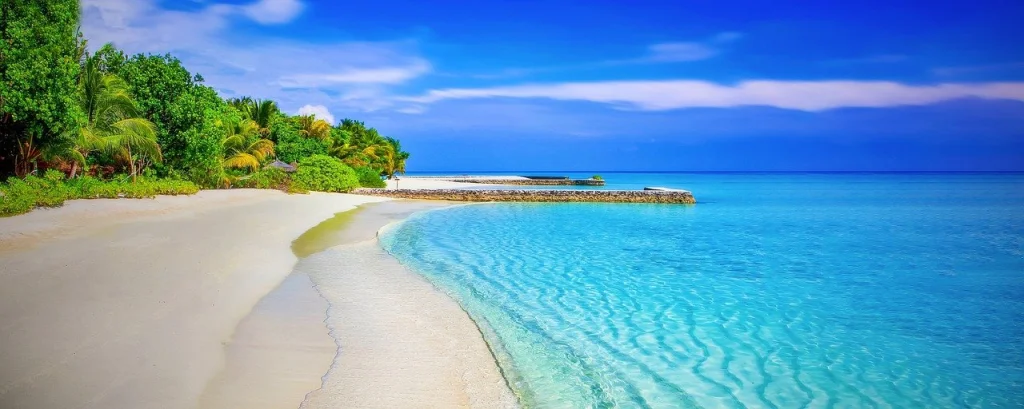
Butterfly Beach
Tucked inside a steep amphitheater of forested headlands just north of Palolem, Butterfly Beach feels completely cut off from the rest of Goa. When directors Raj and DK were scouting locations for India's first zombie-comedy, Go Goa Gone, they needed a setting that could convincingly pass as an isolated, uncharted island where Hardik, Luv, and Bunny could get stranded after an underground rave. The dramatic semi-circular cove of Butterfly Beach, entirely devoid of road access, concrete structures, or commercial shacks, fit that eerie, paradise-turned-trap aesthetic seamlessly. Arriving by sea mirrors the exact sensation of landing in the movie’s fictional enclave. As your boat rounds the sharp northern headland of Palolem, the bustling shoreline abruptly gives way to towering red-laterite cliffs plunging directly into deep turquoise waters. The beach itself slopes sharply into the surf, backed by an impenetrable wall of dense coastal jungle where Boris famously stalked the undead. Stepping onto the soft golden sand, the complete absence of music, beach beds, and engine hum creates an immediate sense of genuine off-grid isolation. Walking the curve of the bay reveals the raw, untamed terrain that grounded the film’s survival comedy. Huge granite boulders jut out from both flanks, harboring small tide pools, sea anemones, and crabs among the crashing surf. Looking back toward the tree line, it is easy to picture the panicked trio scrambling through the dense undergrowth to escape the sunrise horde. Unlike the heavily commercialized stretches of North Goa, Butterfly Beach preserves the wild, untamed coastal character that made it such a memorable cinematic refuge.
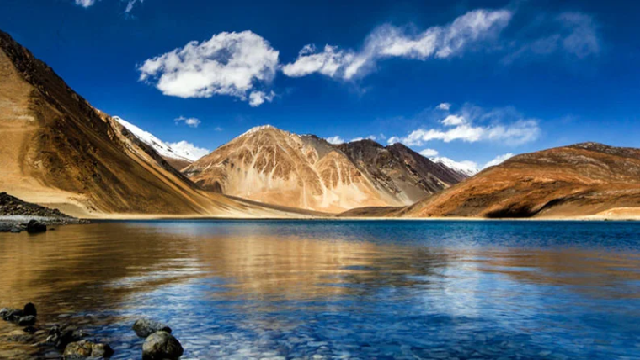
Pangong Lake
Few film climaxes in modern Indian cinema have reshaped an entire region’s tourism map quite like the final reunion scene of 3 Idiots. When Raju and Farhan finally track down the elusive Phunsukh Wangdu (Aamir Khan) to an open-air school on the windswept shores of Pangong Tso, the stark, ethereal beauty of the lake instantly captured the imagination of travelers worldwide. Stretched across the Indo-Tibetan border at an altitude of over 14,270 feet (4,350 meters), this massive endorheic saltwater lake served as the ultimate backdrop for closure, genius, and freedom, defined by Pia (Kareena Kapoor) arriving in full bridal finery on a yellow scooter against endless azure waters. Standing on the rocky gravel shore of Spangmik today, the scale of the landscape is staggering. Towering, barren scree mountains plunge directly into waters so remarkably clear that they reflect the serrated peaks and passing cloud shadows like a giant mirror. The sheer isolation that framed Rancho's fictional sanctuary remains palpable; the air is thin, crisp, and filled only with the whipping mountain winds and the gentle lap of brackish waves against the shore. You can still spot the iconic yellow scooters set up along popular photo points near Lukung, letting fans playfully recreate Pia’s grand arrival. Beyond its cinematic nostalgia, visiting Pangong Lake is an exercise in profound natural stillness. Because the saline water supports no fish or aquatic vegetation, the lake possesses an eerie, mirror-like purity that changes color constantly throughout the day depending on the angle of sunlight. Walking along the shoreline as the afternoon light softens into deep indigo, it becomes clear why director Rajkumar Hirani chose this exact horizon for the film’s uplifting conclusion. Pangong Tso is not merely a scenic spot on a Ladakh itinerary; it is a raw, high-altitude sanctuary that embodies the wide-open ambition and unconventional spirit that made 3 Idiots a cinematic landmark.
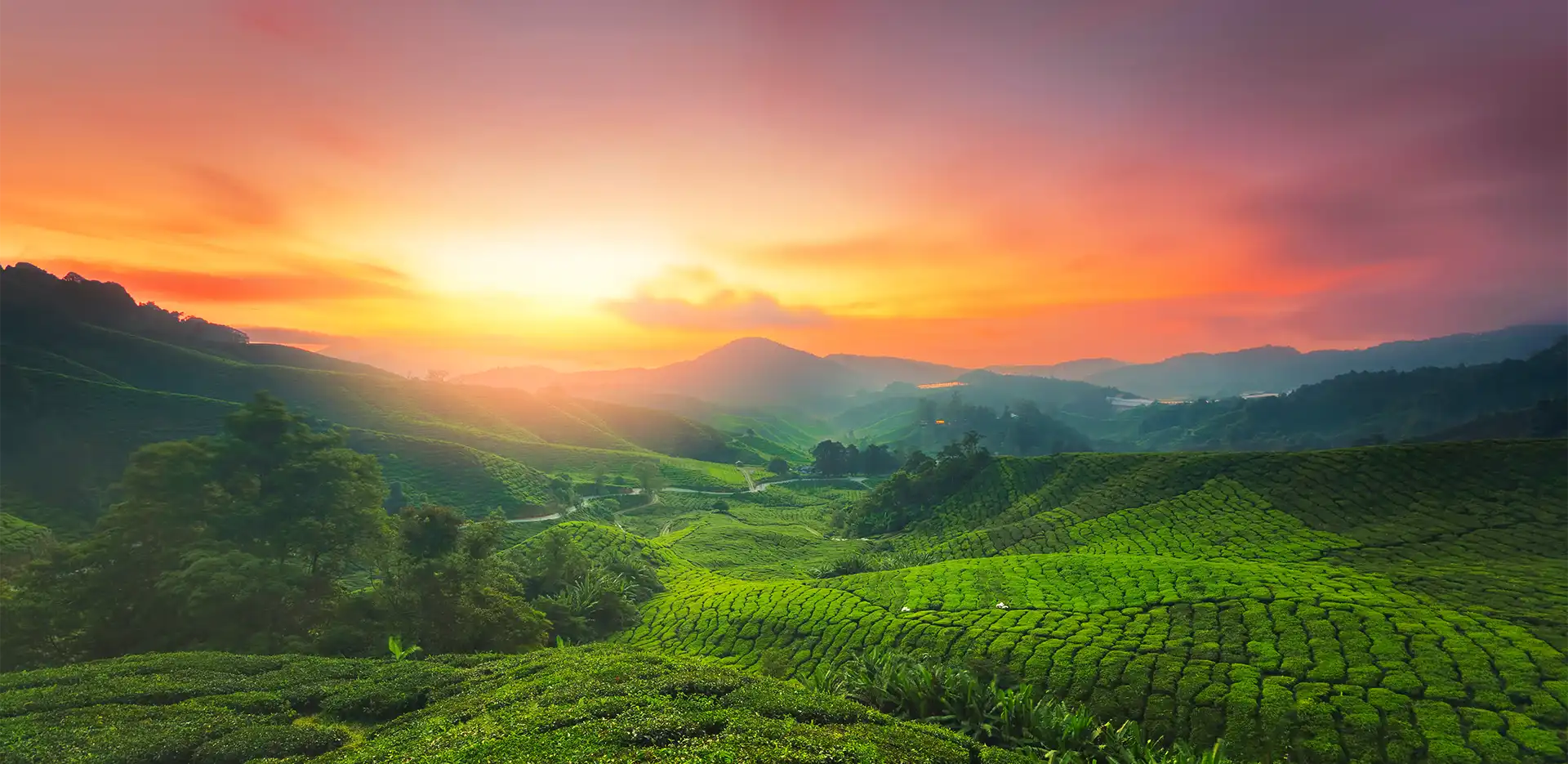
Munnar Tea Gardens
When Rohit Shetty needed a sweeping, romantic backdrop for the songs "Titli" and "Kashmir Main Tu Kanyakumari" in the blockbuster Chennai Express, he bypassed typical northern hill stations and headed straight to the endless emerald slopes of Munnar. It was here, amidst the meticulously manicured tea terraces and rolling mist of the Western Ghats, that Shah Rukh Khan and Deepika Padukone's characters found a fleeting moment of peace on their chaotic journey. Even Hollywood director Ang Lee utilized these exact verdant landscapes to represent the lush, spiritual beauty of India in the opening sequences of Life of Pi. To actually experience the movie's magic, you cannot just drive through the main town of Munnar, which suffers from heavy traffic and concrete overdevelopment. Instead, you need to head out toward the Devikulam route or hire a rugged 4x4 jeep to climb up to Kolukkumalai—the highest organic tea estate in the world. Standing among the waist-high tea bushes at dawn, watching the women swiftly pluck the "two leaves and a bud" while the morning mist rolls over the ridgelines, exactly mirrors the sweeping aerial drone shots from the films. Unlike a static monument, the tea gardens are a living, breathing agricultural landscape. A visit here is deeply sensory; the crisp mountain air is literally scented with the astringent, fresh aroma of crushed tea leaves. By walking the narrow dirt paths between the plantations and ending your day tasting freshly brewed cardamom tea at the KDHP (Kanan Devan Hills Plantations) Tea Museum, you get to step out of the cinematic fantasy and experience the authentic, daily rhythm of Kerala’s highland tea culture.
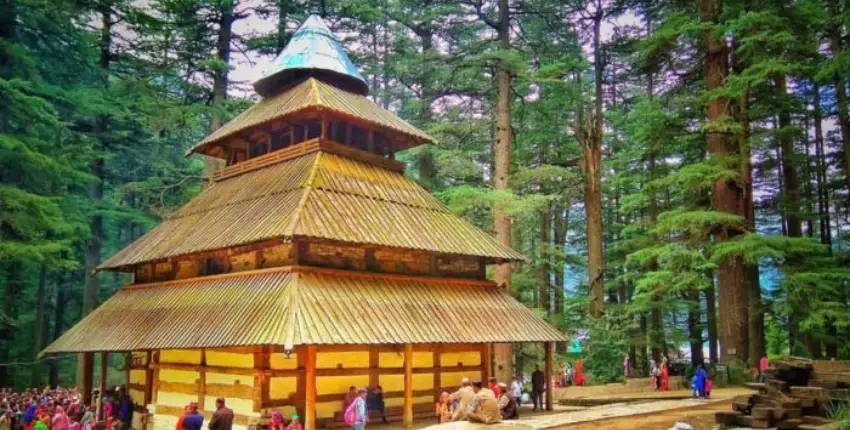
Hadimba Temple
When director Ayan Mukerji mapped out the transformative Manali trip for Yeh Jawaani Hai Deewani, he needed a location that captured both the youthful energy of the group and the timeless, spiritual grounding of the Himalayas. Nestled deep within the ancient, towering deodar cedars of Dhungri Van Vihar, the 16th-century Hadimba Temple provided exactly that. It was against this striking wooden-and-stone pagoda architecture that Bunny (Ranbir Kapoor) and Naina (Deepika Padukone) shared pivotal, quiet moments away from their chaotic trek, anchoring the film’s emotional coming-of-age arc. To truly experience this location, skip the congested taxi ride and take the 2 km uphill walk from Mall Road through the winding, pine-scented paths. As you approach the clearing, the sheer scale of the four-tiered wooden roof and intricately carved doorways instantly commands respect. Unlike heavily commercialized monuments, the temple maintains a raw, elemental energy. The air smells strongly of burning camphor, mountain earth, and cedar bark. Stepping outside the immediate temple boundaries throws you right back into the lively tourist energy seen in the movie. You'll find local Himachali women offering traditional Kullu outfits for quick photo ops, fluffy Angora rabbits, and bustling stalls selling hot Maggi and sweet local cherries. By visiting Hadimba Temple, you are stepping into the exact cinematic intersection where traditional Himalayan spirituality meets the vibrant, unfiltered joy of the ultimate Indian backpacker road trip.
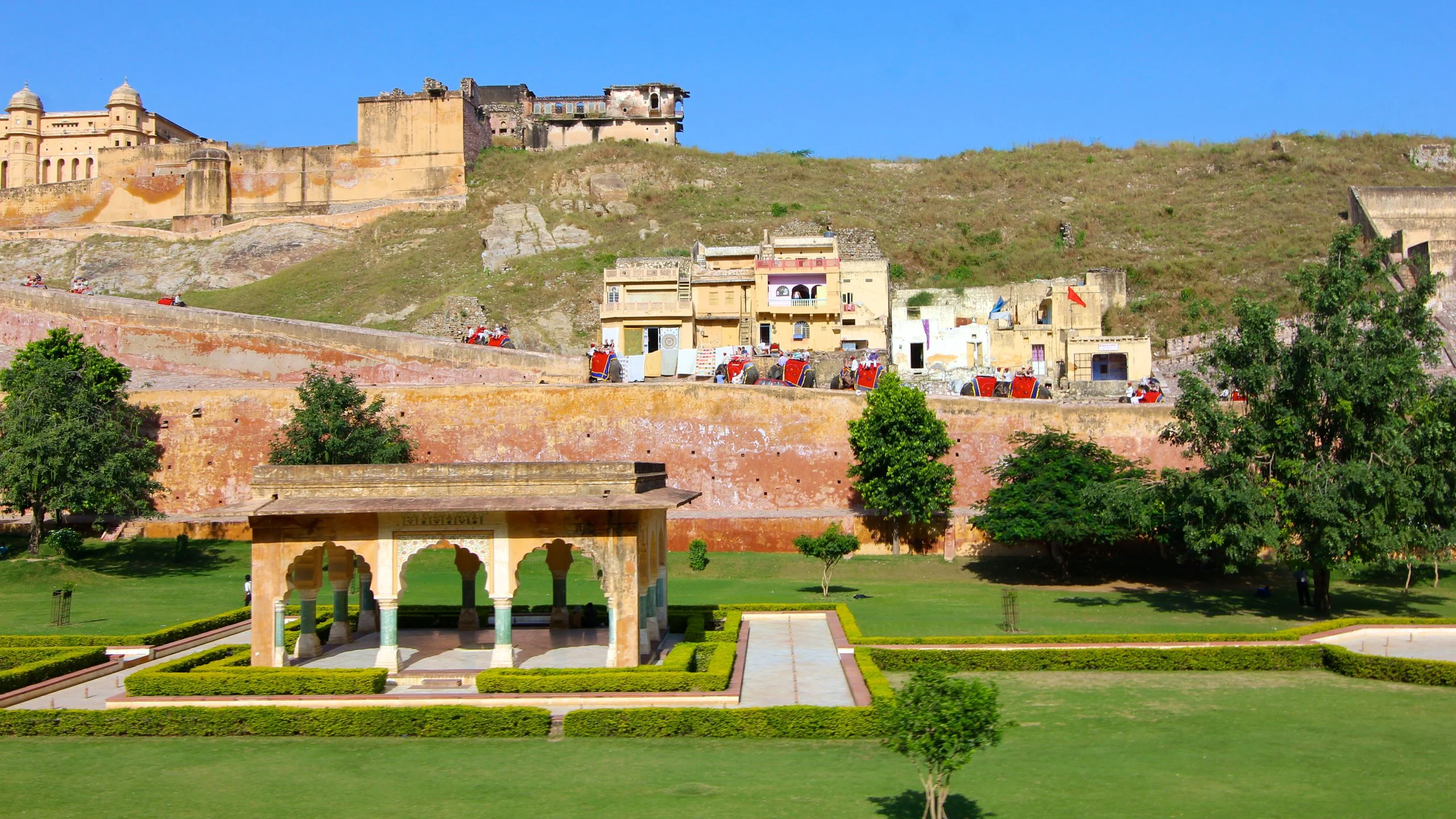
Amer Fort
When filmmakers need to visually establish the overwhelming scale, wealth, and power of India's royal history, they point their cameras at Amer Fort. Perched high on the rugged Aravalli hills overlooking Maota Lake, this massive 16th-century citadel is an architectural masterpiece of red sandstone and white marble. In Ashutosh Gowariker's Jodhaa Akbar, the fort's vast, sun-drenched courtyards and intricate archways served as the regal Mughal courts where Hrithik Roshan and Aishwarya Rai brought history to life. Later, Sanjay Leela Bhansali utilized the fort's imposing grandeur to anchor the majestic, high-stakes political drama of Bajirao Mastani. To truly experience the cinematic scale of the fort, skip the controversial elephant rides and walk up the steep, cobbled path of Suraj Pol (Sun Gate) just as the morning light hits the sandstone. Inside, you are immediately thrown into a labyrinth of royal history. The absolute highlight for movie lovers is the Sheesh Mahal (Palace of Mirrors). Designed so that a single candle flame could light up the entire room via thousands of convex mirrors, this space perfectly captures the opulent, romantic aesthetic seen in Bhansali's films. Beyond the main courtyards, the real magic lies in getting lost in the narrow, winding corridors of the Zenana (royal women's quarters) and the Diwan-i-Aam (Hall of Public Audience). Standing against the lattice stone windows, looking down at the ancient, serpentine wall snaking across the surrounding mountains, it is easy to see why Bollywood continually returns to this fortress. Amer Fort doesn't just look like a movie set; it is a raw, enduring monument to the legendary empires that inspired the films.
Ready for Your Cinematic Journey?
Join thousands of movie lovers who have experienced the magic of Bollywood locations firsthand.