Chanderi
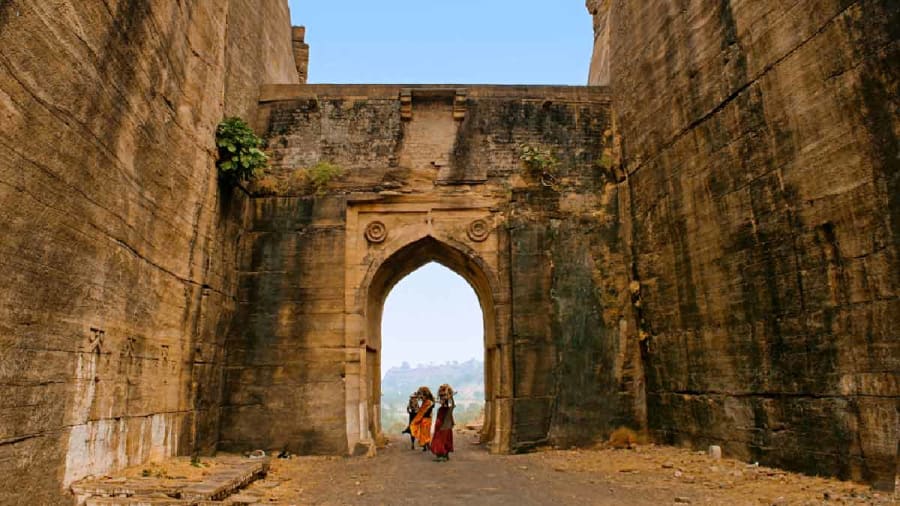
When director Amar Kaushik needed a town that felt simultaneously charming, steeped in history, and genuinely haunted, he brought the cast of Stree directly to the medieval alleys of Chanderi. Bypassing massive soundstages, the production used the actual 11th-century architecture, dimly lit stone streets, and ancient gateways of this Madhya Pradesh town to ground its horror-comedy in reality. Walking through the inner town today, it is incredibly easy to visualize Rajkummar Rao’s character frantically navigating these exact labyrinthine lanes. The film's impact on the town is so profound that many local residents and shopkeepers have left "O Stree Kal Aana" painted on their exterior walls, merging cinematic lore with daily village life. The cinematic footprint extends well beyond the inner alleys. The iconic Kati Ghati gateway—a massive, 24-meter-high arch carved entirely out of a single living rock—features prominently as the main entrance to the town in the film. Standing at this towering gate at dusk, as the light fades over the rugged landscape, perfectly captures the eerie, isolated atmosphere that defined the movie's climax. Beyond its spooky Hollywood-style fame, Chanderi is a globally recognized hub for handloom weaving, a cultural backdrop heavily utilized in the Varun Dhawan film Sui Dhaaga. Just a short auto-rickshaw ride from the main town takes you to Pranpur village, where you can physically step into the workshops of local artisans. Hearing the rhythmic clacking of wooden looms and watching master weavers craft famous Chanderi silk sarees offers a deeply human, on-the-ground experience. Visiting Chanderi is not just a nod to a Bollywood blockbuster; it is a walk through a living, breathing medieval time capsule.