Kedarnath Temple
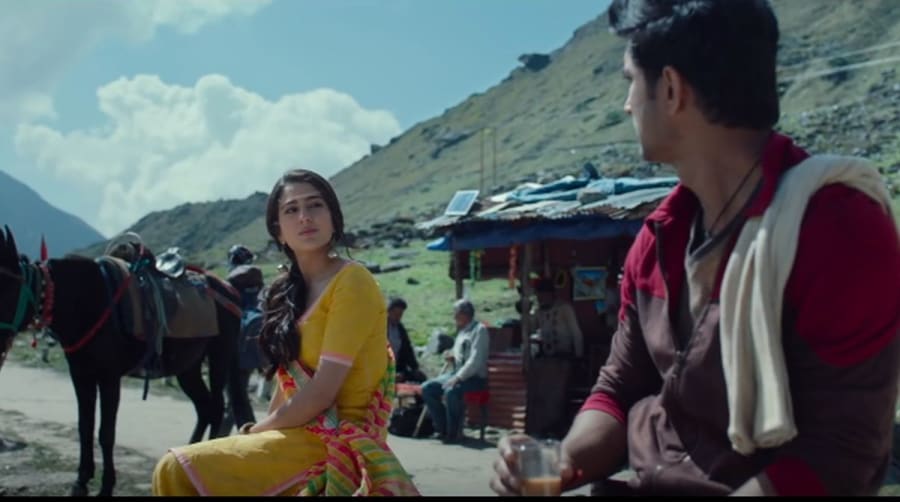
When director Abhishek Kapoor set out to film Kedarnath, he didn't just use the 8th-century Jyotirlinga temple as a scenic backdrop; he made the grueling, unpredictable, and deeply spiritual 16-kilometer Himalayan trek the central character of the movie. Starring Sushant Singh Rajput as a local pithu (porter) and Sara Ali Khan as a pilgrim, the film captured the exact physical friction that millions of devotees face when ascending the steep, oxygen-deprived trails from Gaurikund. The narrative’s climax, which recreates the catastrophic 2013 flash floods, is a chilling reminder of the raw power of the Mandakini River. Standing in the temple courtyard today at an altitude of 3,583 meters, the cinematic scale of the landscape is overwhelming. Behind the massive, grey-stone temple structure rise the imposing, snow-clad peaks of the Kedarnath and Kedar Dome massifs. What makes visiting Kedarnath so profound is the sheer physical toll required to reach it. Whether you are hiking up the steep, winding path carved into the mountainside, dodging passing mules, or hearing the constant roar of the river below, you are experiencing the exact, unfiltered reality depicted in the film. The most striking visual on the ground—often left out of glossy travel brochures—is Bhim Shila, the massive boulder resting directly behind the temple. During the 2013 floods, this rock miraculously diverted the raging torrents of water and debris, saving the ancient shrine from destruction. A trip to Kedarnath is not a standard mountain vacation; it is a punishing, deeply moving endurance test that connects you directly to the spiritual and cinematic history of Uttarakhand.