Where to Celebrate Hanuman Jayanti? 5 Soul-Stirring Temples for the Ultimate Spiritual High
Every year, as the Chaitra Purnima approaches, there’s a specific energy in the Indian air. You can smell the marigolds, hear the rhythmic chanting of the Hanuman Chalisa, and feel a sense of unwavering strength. If you are planning to celebrate Hanuman Jayanti in India, you aren't just looking for a temple; you’re looking for an experience that stays with you long after the teeka fades from your forehead.
Last year, I found myself amidst thousands of devotees, and I realized that not all temples are the same. Some offer silence, while others offer a roaring celebration of faith. Here is my personal guide to the best Hanuman Mandirs to visit this year.
1. Hanuman Garhi, Ayodhya: The Guardian of the Ram Janmabhoomi
You cannot talk about Lord Hanuman without starting at Ayodhya. It is said that Hanuman lives here in a cave, guarding the city.
The Experience of the 76 Steps
To reach the main shrine, you have to climb 76 steps. On Hanuman Jayanti, these steps are a sea of saffron. The energy is electric. I remember the sound of the temple bells echoing so loudly you could feel the vibration in your chest.
Why it’s Special on Hanuman Jayanti
The deity here is depicted as a young Hanuman sitting on his mother Anjani's lap. The Shringar (decoration) on the festival day is breathtaking—often involving kilos of silver and gold ornaments and mounds of Besan Laddus.
Pro-Traveler Tip for Ayodhya
Timing: Reach by 4:00 AM. The queue for the Mangala Aarti is long but absolutely worth the wait.
The Food: Don't leave without trying the local rabri sold in clay pots right outside the temple gates.
2. Sankat Mochan Hanuman Temple, Varanasi: Peace Amidst the Chaos
Varanasi is chaotic, but the Sankat Mochan Temple (established by Tulsidas himself) is a pocket of profound peace.
A Connection to the Ramayana
Walking into this temple feels like stepping back in time. Unlike many modern temples, this one maintains a very traditional, earthy vibe.
The "Sankat Mochan" Music Festival
If you visit during the Hanuman Jayanti period, you might catch the famous music festival where India’s greatest classical musicians perform for the Lord. It’s a rare blend of divinity and art.
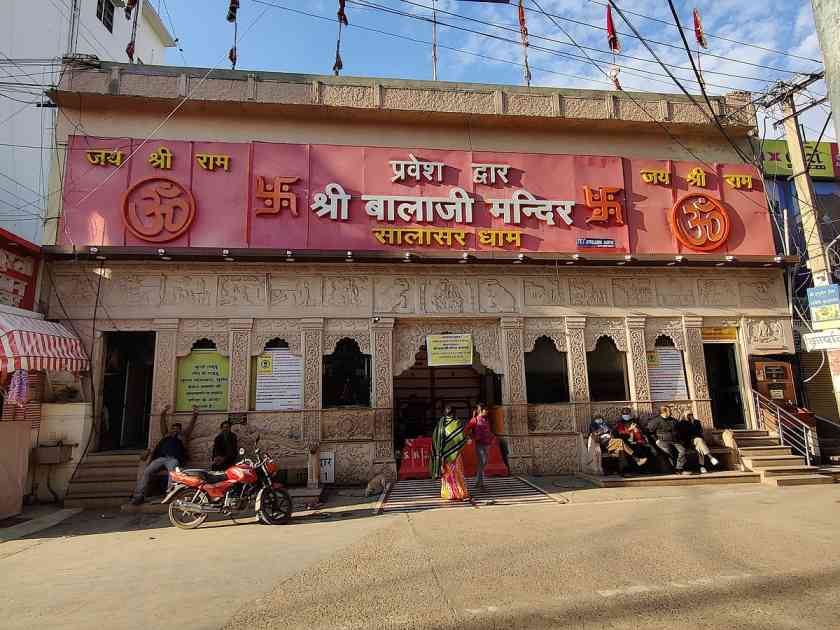
3. Salasar Balaji, Rajasthan: The Temple of Miracles
Located in the Churu district, Salasar Dham is unique because the idol of Hanuman here has a beard and a mustache.
The Vibe of the Desert Pilgrimage
The faith people have in "Salasar Balaji" is immense. Thousands of devotees walk hundreds of kilometers (Padyatra) to reach here for Hanuman Jayanti.
Key Rituals to Observe
Coconut Tying: Devotees tie coconuts with moli (sacred thread) to have their wishes fulfilled.
The Mela: The fair organized during the festival is a vibrant display of Rajasthani culture and "Bhajans."
4. Jakhu Temple, Shimla: Among the Clouds and the Tallest Statue
If you prefer the mountains, the Jakhu Temple is your destination. Situated at the highest point of Shimla, it houses a 108-foot-tall neon-orange statue of Hanuman that peeks through the pine trees.
A Trek to Remember
The steep walk from the Ridge is a test of your lungs, but the view of the snow-capped Himalayas makes you feel like you've reached the heavens.
Watch Out for the "Vanar Sena"
The monkeys here are legendary. They are considered the descendants of the Lord, but they will steal your glasses!
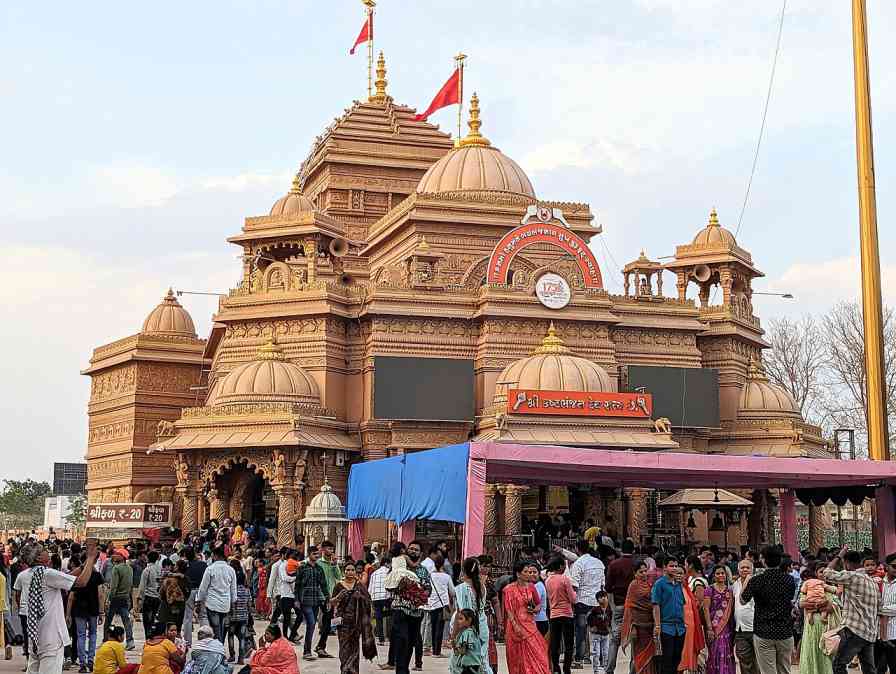
5. Shri Kashtabhanjan Dev, Sarangpur: The Healer of Sorrows
In Gujarat, the Sarangpur Hanuman Temple is where people go to find relief from "Shani Dosh" or mental distress.
The Powerful Aura of the Murti
The idol here is fierce and majestic. On Hanuman Jayanti, the temple is decorated with intricate flower arrangements—sometimes using thousands of roses or even exotic fruits.
Why You Should Go
The administrative setup here is excellent. Despite the massive crowds on the festival day, the Mahaprasad (blessed meal) is served with incredible efficiency and love.
Practical Tips for Your Hanuman Jayanti Visit
Dress Code: While not always strictly enforced, wearing traditional Indian attire (Kurta-Pyjama or Saree) is respectful and helps you blend into the festive spirit.
Hydration: Most of these temples involve long queues in the heat. Carry a reusable water bottle.
Booking: If you are heading to Salasar or Ayodhya, book your stay at least 2 months in advance. These towns get completely "Saffron-booked" during the festival!
Jai Bajrang Bali! Which of these temples are you planning to visit this year? Let me know in the comments below!