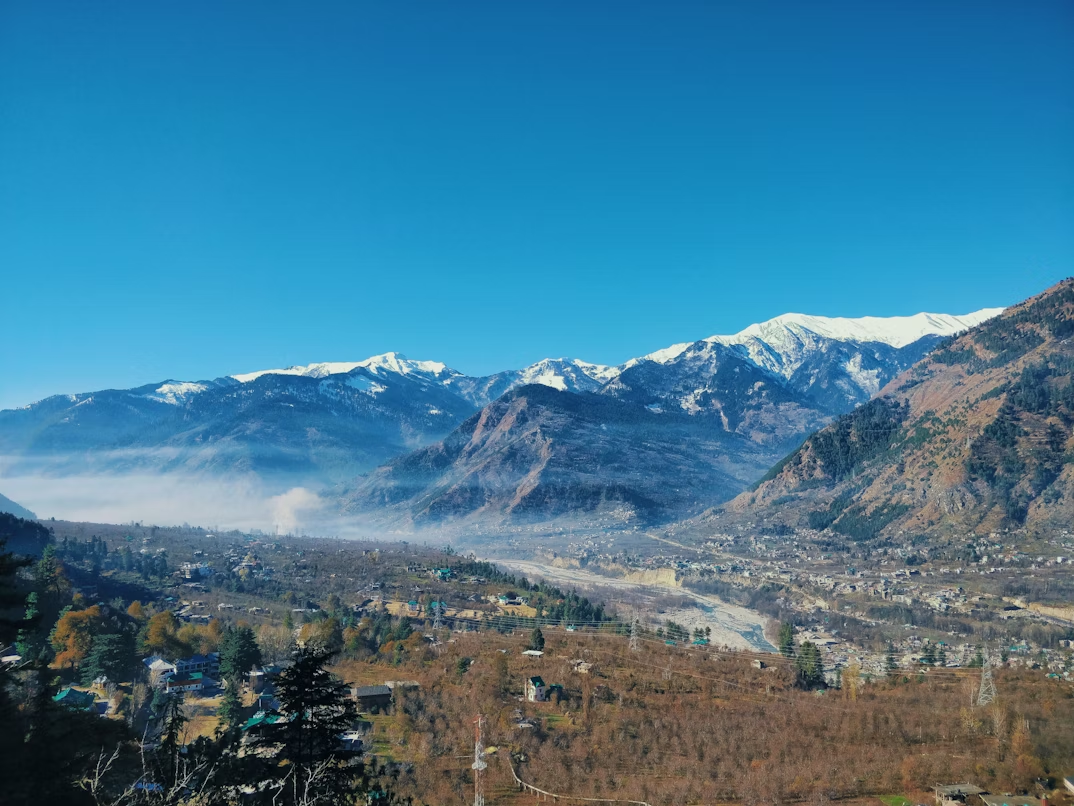
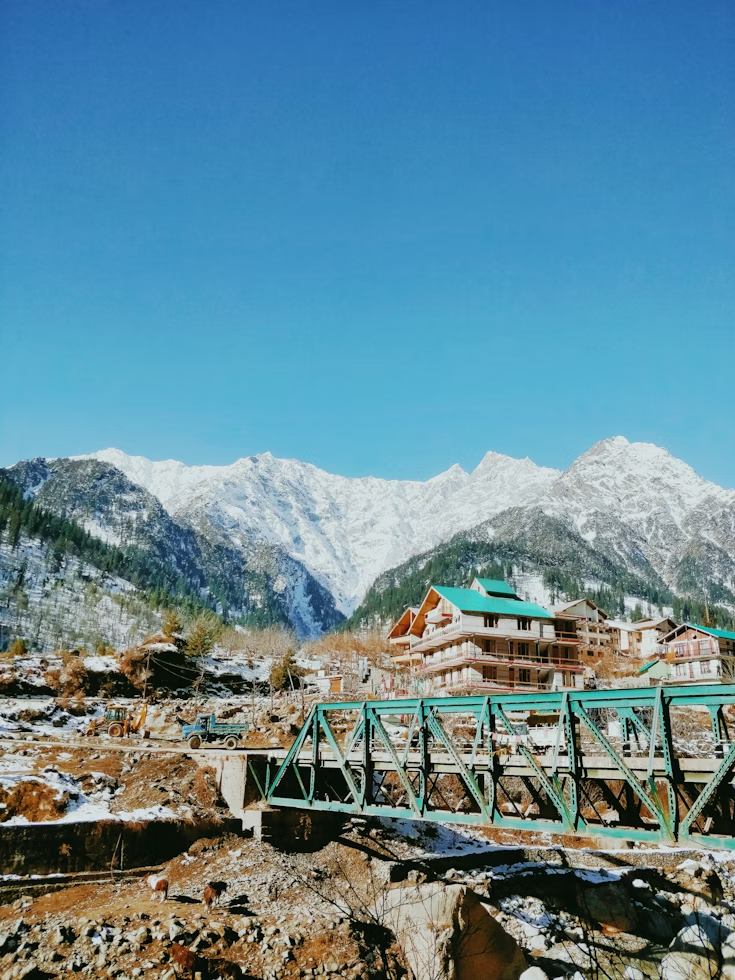
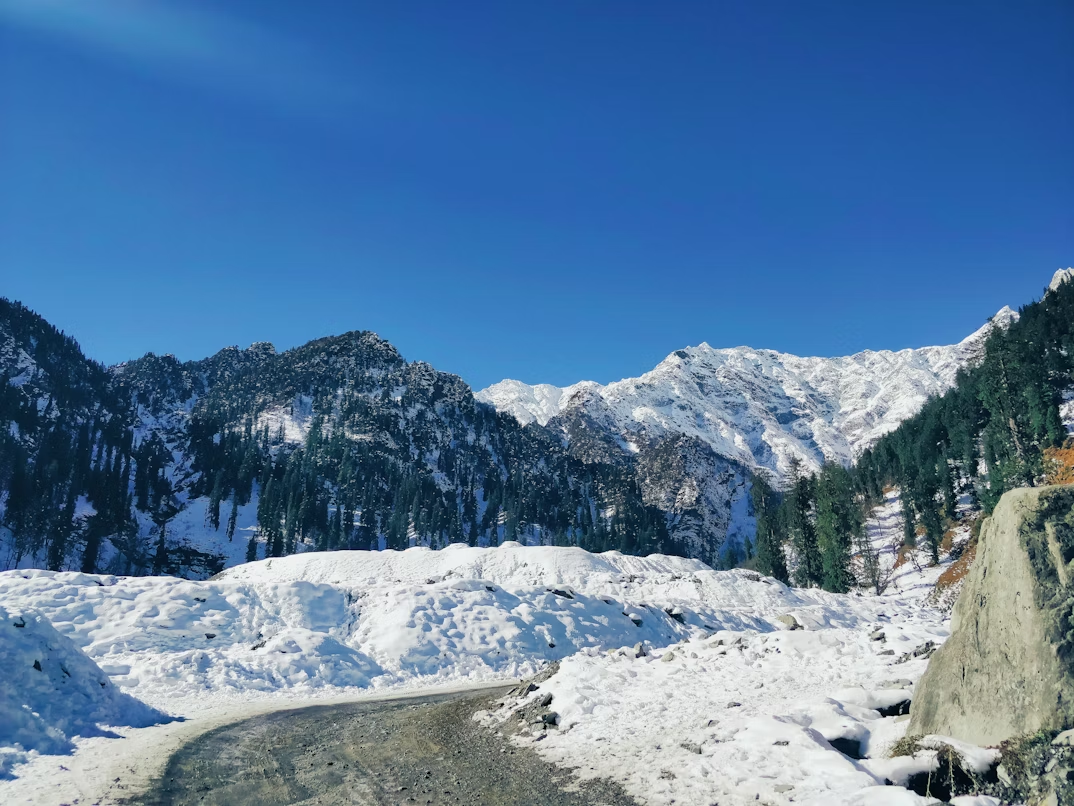
Best Time to Visit North India for Trekking
The best time to visit North India for trekking is split into two primary windows: Pre-monsoon (April to June) and Post-monsoon (September to November). For high-altitude treks in Ladakh and Zanskar, the ideal window shifts to the summer months of July to September when the rest of the country is drenched in rain.
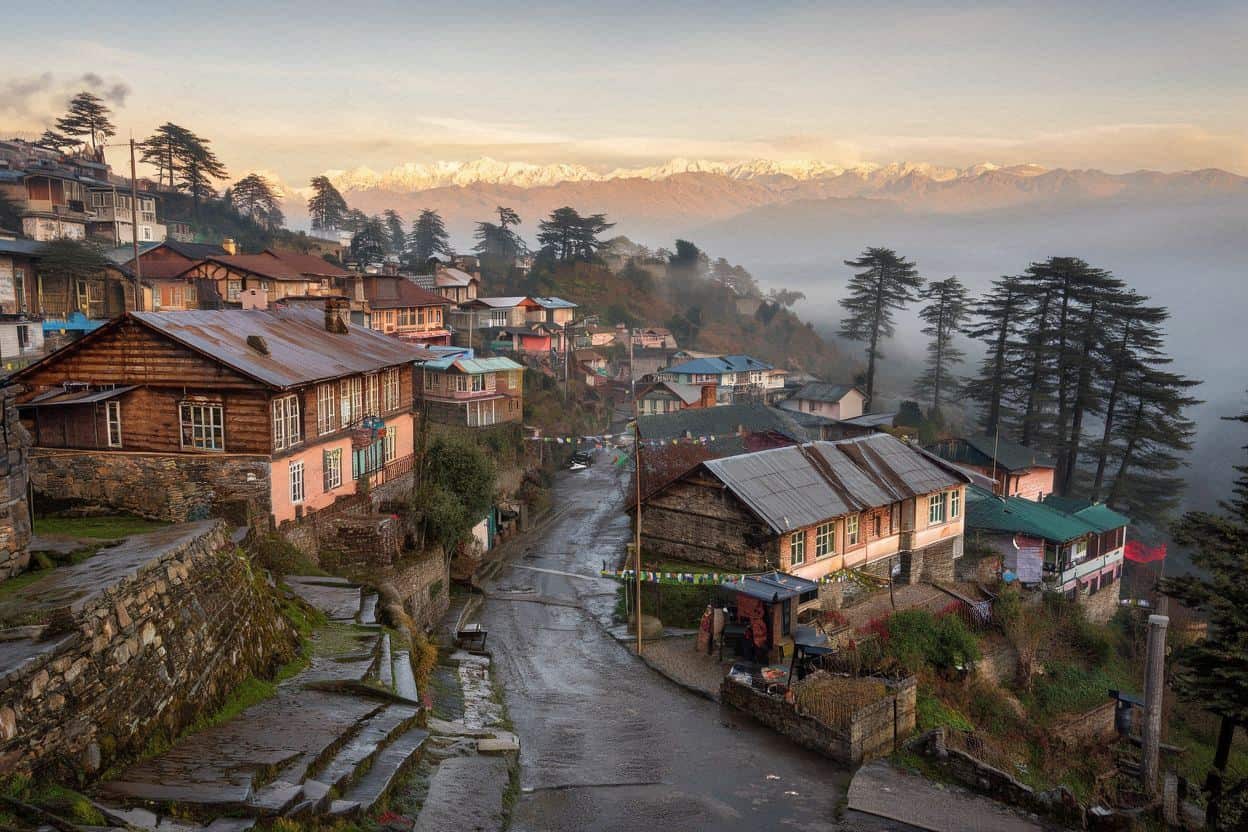
I still remember the first time I stood at the base of the Kedarkantha trek. It was mid-December, and the air was so sharp it felt like it was cutting through my thermal layers. My guide, a local with skin like tanned leather, laughed at my shivering and handed me a steaming cup of ginger-lemon-honey water. That moment taught me something no guidebook ever could: the Himalayas don't have one "best time." They have moods. And if you don't time your visit to match the mood you're looking for, you’re in for a very cold (or very wet) surprise.
The Spring Awakening (April to June)
This is when the mountains wake up from their winter slumber. If you’re like me and you love seeing life return to the trails, this is your window.
In April and May, the lower reaches of Uttarakhand and Himachal are ablaze with red rhododendrons. I’ve spent hours just sitting in the forests of the [Internal Link: Best Treks in Uttarakhand], listening to the birds return.
Why go now: The snow is melting, making high passes accessible, but the peaks are still heavily capped in white.
The Catch: It can get crowded. Popular trails like Beas Kund or Nag Tibba see a lot of footfall during the Indian summer school holidays.
The Monsoon Gamble (July to August)
Most people will tell you to avoid trekking in North India during the monsoon. Usually, they’re right. Landslides in Himachal and Uttarakhand are no joke. But, there is a massive exception to this rule: The Rain Shadow Regions.
While the rest of India is under a downpour, Ladakh and Spiti remain dry, barren, and breathtakingly beautiful. I once trekked the Markha Valley in August, and the stark contrast between the deep blue sky and the chocolate-colored mountains was almost spiritual.
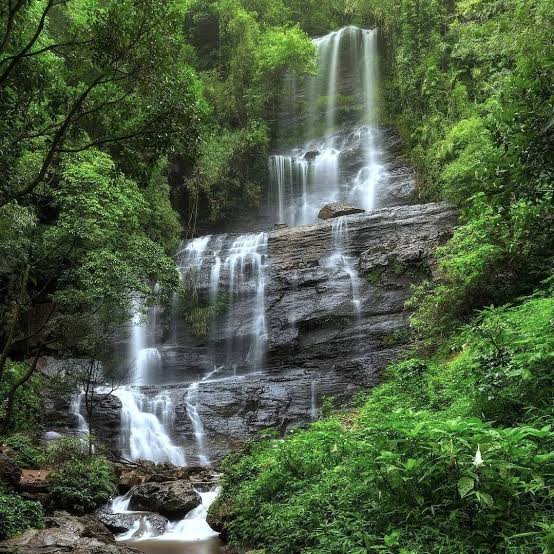
If you must trek in the "wet" regions, the Valley of Flowers is the only place worth the risk. The bloom is peak in August, and honestly, getting a little wet is a small price to pay for that floral carpet.
The Golden Autumn (September to October)
If you ask any hardcore trekker, they’ll tell you this is the real best time. The dust has been washed away by the rains, leaving the air impossibly crisp and the views crystal clear.
This is the prime time for challenging expeditions like Rupin Pass or Bali Pass. The skies are a deep, royal blue that you just don't see in the summer. I find the photography during these months to be the best—the "Golden Hour" seems to last much longer.
The Frozen Frontier (December to March)
Trekking in North India in winter isn't for everyone. It’s for the ones who want to test their grit. We’re talking about the Chadar Trek (walking on a frozen river) or the Brahmatal Trek where you camp on deep snow beds.
I’ll be honest: it’s hard. Your water bottle will freeze. Your nose will be perpetually red. But standing on a summit with nothing but white silence around you? That’s a feeling that stays in your bones forever.
Essential Tips for Your Himalayan Journey
Respect the Altitude: No matter when you go, the mountains don't care about your fitness level if you don't acclimate. Take that extra day in Leh or Manali.
Layer Up: In the North, the sun can burn you at noon, and the wind can freeze you at 6 PM. Always use the three-layer system (Base, Insulation, Shell).
Local Wisdom: Always talk to the tea-stall owners. They know the weather better than any app on your phone.
Frequently Asked Questions
1. Is it safe to trek in North India during the monsoon? Generally, it's risky in Uttarakhand and Himachal due to landslides. However, it is the perfect time for trekking in the rain-shadow areas like Ladakh and Spiti.
2. What is the easiest trek for beginners in North India? I always recommend the Kheerganga or Triund trek in Himachal. They are short, manageable, and offer a great "bang for your buck" in terms of views.
3. When can I see snow on a trek? For "soft" snow and easy trekking, March and April are great. For deep, powdery snow and a true winter experience, January and February are your best bets.
4. Do I need a permit for trekking in North India? It depends on the zone. Treks near international borders (like parts of Ladakh or North Uttarakhand) require Inner Line Permits (ILP). Always check with a local guide before heading out.